
Window Condensation Explained – And How To Avoid It!
Seeing Condensation On Your Canyon,
Texas Replacement Windows?
Some Types Of Condensation Are
Harmless, But Others Aren’t
If you just got replacement windows in Canyon, Texas, you might have some concerns about condensation. Many homeowners have questions about condensation, why it occurs, and how to prevent it – and we have answers!
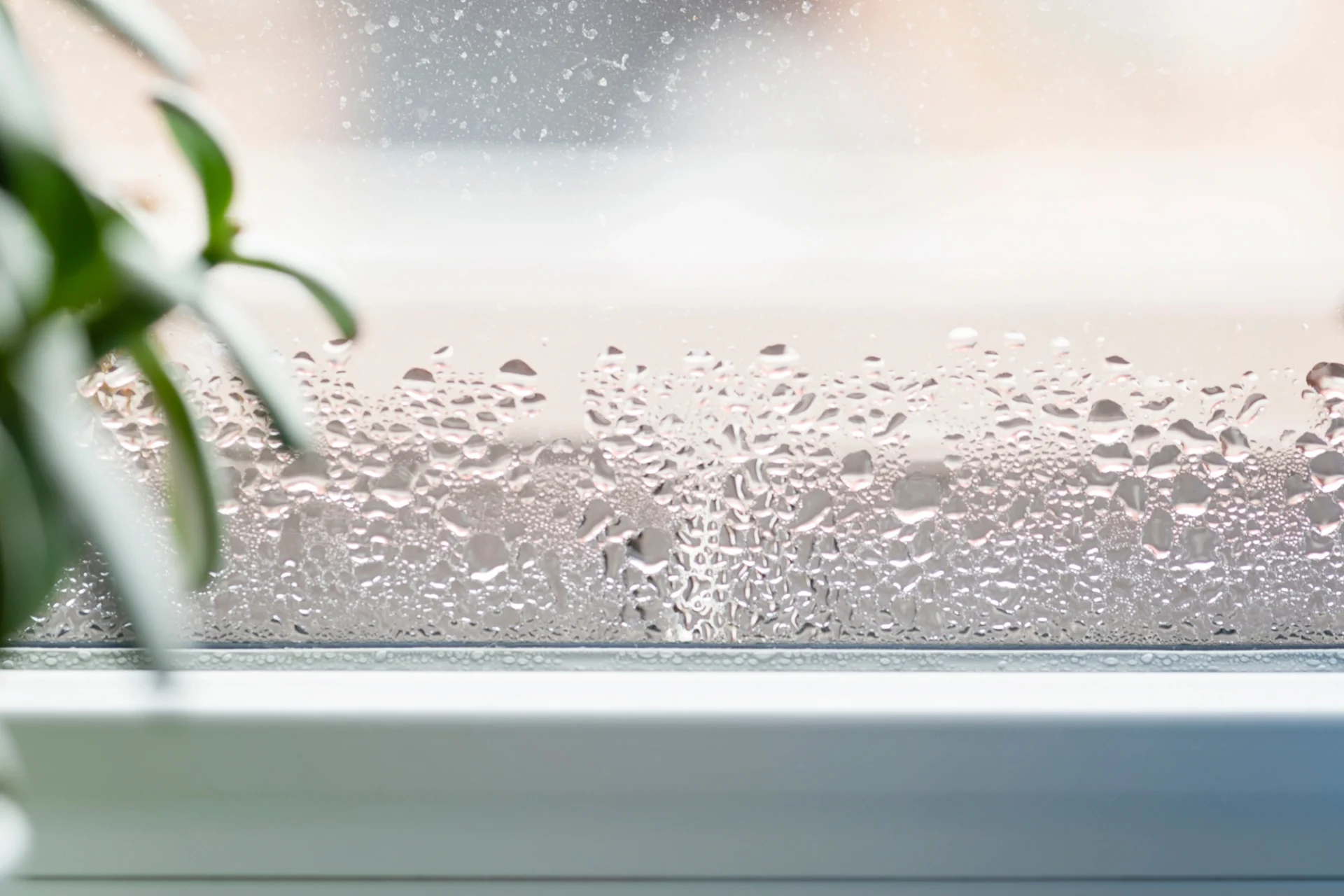
Condensation is what happens when warm, moist air meets a cold surface. Depending on where the condensation appears, this can actually be a sign that your windows are working exceptionally well.
However, condensation sometimes has a more serious reason for accumulating on your windows, and can be a sign it’s time for a window replacement.
Read on to find out the origins of your window condensation, and how to get rid of it.
What Exterior Condensation Means
For Canyon Homes
Condensation that collects outside your windows is common during warm weather, especially after it rains.
Since it isn’t very humid here in Randall County, homeowners are sometimes a little surprised to see condensation in the days after a warm rain. This is especially shocking for customers who’ve just had new window installations done.
This condensation on the outside of the windows happens when hot humid air outside encounters window glass that’s cool to the touch. The glass is generally cold thanks to your home’s air-conditioned exterior.
Here in the Texas panhandle, this type of condensation is a sign that your home’s windows are doing their jobs well! A well-insulated window will be nice and cool during the summer, instead of absorbing heat from outside.
When the warm summer air hits those well-insulated windows, the moisture in the air condenses, leaving that water you see on the windows.
Luckily, this type of condensation won’t damage your home, so you don’t have to worry about preventing it.
If it bothers you, you can try trimming plants around your windows to increase airflow, or keeping your home’s interior a little warmer for a couple of days after it rains.
How To Fight Interior Condensation In Randall County
You’re most likely to see interior condensation in the winter. While it’s far more common in cold climates, chillier days in Canyon might bring a little condensation to your windows, especially if you run a humidifier inside your home.
Here in northern Texas, temperatures can drop pretty low in the winter, which can make your windows feel cool. If your home’s interior is warm and not too dry, you can see condensation begin to build up on the insides of your windows.
If you have older, single-pane windows, this type of condensation is often a sign that your home is losing heat quicker than ideal, which is typical of older, poorly insulated windows.
On the flip side, interior condensation on newer windows can be a sign that the window’s seals are working well. A well-sealed window will keep humidity inside the home, making this type of condensation more common on particularly cold days.
If your windows are well insulated, and you’d like to reduce interior condensation, try turning off humidifiers in the house, opening your curtains more, and running a fan in the room to promote airflow.
As a rule of thumb, if your windows are showing interior condensation on days that are only a little cold, it may be time to look into an upgrade.
Condensation Between Your Window Panes?
It’s Time For A Window Replacement
Now, if you’re seeing condensation or fogging between the panes of multi-pane windows, that’s a cause for serious concern.
Any moisture in between window panes is a sure sign your window seal is broken. A window with a broken seal is a real problem. It can let moisture into your home, and won’t properly insulate your home from outside temperatures.
A quality multi-pane window has argon gas sealed in between the panes to help with insulation. Because argon gas is a good insulator, it’s a great choice to put in between the panes of windows.
A broken seal means the argon gas inside the windows has likely leaked out. Don’t worry – the gas is completely harmless. But it’s still a bad sign because not having that insulating layer can cost you on your energy bill.
If you’re seeing this type of condensation, it’s time for a window replacement. Here in Randall County, we get a wide range of Texas weather, from hot summers to dry winters.
If your home isn’t energy efficient, you’re paying for it on your energy bill. Stop letting your money out through those leaky seals, and call Amarillo Solar Shade Co. for a free estimate.